Source Food Grade Eco Friendly Honey Jar for Tea Candy Fruit
Find 30 food grade eco friendly honey jar options with twist-off lids and customizable packaging. Compare models like IDEM-102 and IDG-102 with capacities from 45ml to 1000ml for tea, candy, and fruit storage needs.
Key considerations
Products List






Comprehensive Sourcing Guide
Food Grade Eco Friendly Honey Jar Sourcing Guide
Sourcing food-grade, eco-friendly honey jars requires a disciplined approach that balances material integrity, regulatory compliance, and commercial viability. The global market for glass storage containers is vast, with suppliers offering a wide array of shapes, sizes, and customization options. Buyers must navigate this landscape by focusing on verified product attributes rather than marketing claims. This guide provides a structured framework for evaluating suppliers, verifying technical specifications, and ensuring that the final packaging solution meets both safety standards and brand requirements. By adhering to evidence-based procurement practices, buyers can mitigate risks associated with material contamination, supply chain delays, and quality inconsistencies.
The following sections detail the critical steps for sourcing high-quality glass jars suitable for honey, tea, fruit, and other food products. Each section is designed to help procurement professionals make informed decisions, from initial supplier screening to long-term quality assurance. The focus remains on observable facts, standard industry practices, and verifiable documentation. Buyers are encouraged to use this guide as a checklist during supplier evaluations and contract negotiations to ensure that all critical aspects of the procurement process are addressed comprehensively and accurately.
Product Scope and Observed Listing Signals
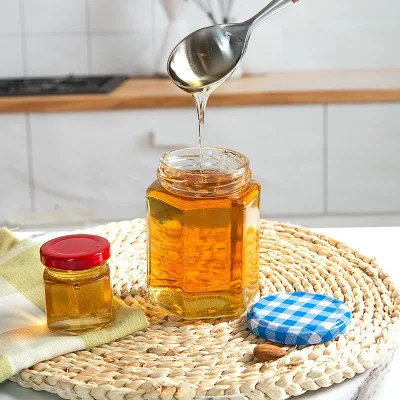
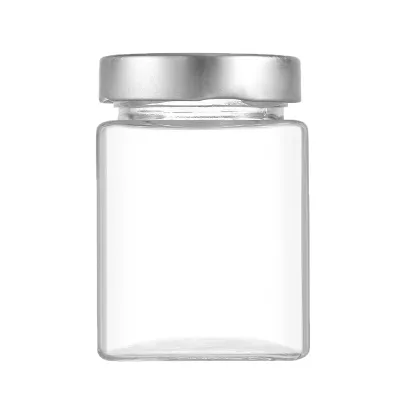
The observed product landscape for food-grade glass jars includes a variety of models, such as IDEM-102, IDG-102, IDM-102, IDPH101-SD, and Z27, each catering to different volume and design needs. These products are generally described as round, clear, or transparent glass storage jars, often featuring twist-off lids and designed for food, candy, tea, fruit, and honey applications. The standard capacity range spans from small formats like 40ml or 45ml up to larger containers of 1000ml, with specific models offering intermediate sizes such as 100ml, 140ml, 200ml, 280ml, 500ml, and 750ml. Buyers should verify the exact dimensions and capacities of the specific model they intend to purchase, as variations exist even within the same product family.
Listing signals indicate that customization is a key feature for many suppliers, with options for OEM/ODM services, customized packing, and even customer-specific shapes via new mold creation. However, buyers must distinguish between standard and customized offerings, as minimum order quantities (MOQs) and pricing structures often differ significantly. For instance, some listings note that MOQs and prices apply only to the smallest sizes without logos, while others specify MOQs of 5000 pieces or 1000 pieces depending on the model. Understanding these distinctions is crucial for budgeting and planning production schedules, as customized orders typically require longer lead times and higher initial commitments.
Technical Specifications to Verify
When evaluating technical specifications, buyers should prioritize the material composition and physical attributes of the glass jars. The products are frequently described as lead-free and eco-friendly, which are critical for food safety and environmental compliance. The shape is predominantly round, and the color is typically clear or transparent, allowing for product visibility. It is essential to verify that the glass meets food-grade standards, ensuring that no harmful substances leach into the honey or other acidic or sweet contents. Buyers should request material safety data sheets or test reports to confirm the lead-free status and overall food safety compliance of the glass used in manufacturing.
Packaging and logistics specifications are equally important for maintaining product integrity during transit. Common packaging methods include pallet packing and carton packaging, which help protect the jars from breakage. Buyers should assess the robustness of the packaging design, especially for international shipments, to minimize damage rates. Additionally, the type of lid, such as twist-off lids, should be evaluated for seal quality and ease of use. The compatibility of the lid with the jar mouth diameter must be confirmed to prevent leakage or spoilage. Verifying these technical details ensures that the final product not only looks appealing but also performs reliably in real-world storage and distribution scenarios.
Compliance and Safety Documentation
Compliance with international standards is a non-negotiable aspect of sourcing food-grade packaging. Many suppliers claim certifications such as ISO and CE, which indicate adherence to quality management and safety standards. Buyers should verify the validity of these certifications by requesting copies of the certificates and checking their expiration dates. While ISO 9001 is a common background standard for quality management, it is crucial to ensure that the specific product line meets food-contact material regulations in the target market. Buyers should also inquire about any additional certifications required by local authorities, such as FDA compliance for the US market or EU regulations for European destinations.
Documentation should also include evidence of quality control processes. Suppliers often state that products are checked over three times during production, which is a positive indicator of quality assurance. Buyers should request detailed quality control plans that outline the inspection points, acceptance criteria, and corrective actions for defects. This documentation helps buyers understand the supplier’s commitment to consistency and reliability. Furthermore, buyers should ensure that the supplier provides clear labeling and traceability information, which is essential for recall management and regulatory audits. Proper documentation not only ensures compliance but also builds trust with end consumers who are increasingly concerned about product safety and sustainability.
Cost Drivers and Commercial Terms
Cost structures for glass jars are influenced by several factors, including material costs, mold fees, customization levels, and order volume. The observed price range for these products is typically between $0.08 and $5 per unit, depending on the size, design, and quantity ordered. Buyers should be aware that smaller sizes without logos may have different pricing and MOQs compared to larger or customized versions. Understanding these cost drivers helps in negotiating better terms and forecasting total procurement costs accurately. Buyers should also consider the cost of samples, which are often provided for free, but may incur shipping charges.
Commercial terms such as payment methods, lead times, and shipping conditions play a significant role in the overall procurement strategy. Common payment terms include T/T (Telegraphic Transfer), and buyers should negotiate favorable payment schedules to manage cash flow effectively. Lead times for standard products are typically around 7-10 days, while customized orders may take longer due to mold creation and setup. Buyers should clarify these timelines during negotiations to avoid production delays. Additionally, promotions and discounts may be available, but buyers should contact sales representatives directly to discuss these opportunities. Clear communication of commercial terms ensures a smooth transaction process and minimizes the risk of misunderstandings.
Supplier Qualification and Quality Control
Supplier qualification is a critical step in ensuring the reliability and consistency of the supply chain. Buyers should conduct thorough due diligence on potential suppliers, including verifying their business licenses, production capabilities, and financial stability. Visiting the factory or conducting virtual tours can provide valuable insights into the manufacturing process and quality control measures. Buyers should also assess the supplier’s ability to handle large orders and meet tight deadlines, as this is crucial for maintaining supply continuity. A qualified supplier should have a robust quality management system in place, with clear procedures for monitoring and improving product quality.
Quality control processes should be rigorously evaluated to ensure that the final products meet the specified standards. Buyers should request samples for testing and evaluation, checking for defects such as cracks, bubbles, or uneven surfaces. The supplier’s claim of checking products over three times during production is a positive sign, but buyers should verify this through audits or third-party inspections. Establishing a clear quality agreement with the supplier, including acceptance criteria and penalty clauses for non-conformance, helps in maintaining high standards. Regular communication and feedback loops with the supplier can also help in identifying and resolving quality issues promptly, ensuring that the procurement process remains efficient and effective.
Long-Term Procurement Checks
Long-term procurement success depends on continuous monitoring and evaluation of supplier performance. Buyers should establish key performance indicators (KPIs) to track metrics such as on-time delivery, product quality, and responsiveness to issues. Regular audits and performance reviews help in identifying areas for improvement and ensuring that the supplier remains aligned with the buyer’s requirements. Building a strong relationship with the supplier through open communication and collaboration can lead to better pricing, priority service, and innovative solutions. Buyers should also stay informed about industry trends and regulatory changes that may impact the procurement of food-grade packaging.
Sustainability and eco-friendly practices are becoming increasingly important in long-term procurement strategies. Buyers should encourage suppliers to adopt environmentally friendly practices, such as using recycled materials or reducing energy consumption during production. This not only helps in meeting corporate social responsibility goals but also appeals to environmentally conscious consumers. Buyers should also consider the end-of-life disposal of the packaging, ensuring that it is recyclable or biodegradable. By focusing on long-term sustainability and continuous improvement, buyers can create a resilient and responsible supply chain that delivers value over time. Regularly reviewing and updating procurement strategies ensures that the business remains competitive and compliant in a dynamic market environment.
FAQs
What certifications do the glass jars have?
The glass jars hold ISO and CE certifications to ensure safety and quality. These standards verify the products meet international requirements for food contact materials and manufacturing processes.
Can I get a free sample before ordering?
Yes, free samples are available for most product models to help you evaluate quality. Please note that sample preparation typically takes 5 to 7 days before shipment.
What is the minimum order quantity for these jars?
The minimum order quantity varies by size, starting at 500 pieces for the smallest options without logos. Larger sizes or custom designs may require higher quantities up to 100,000 pieces.
How long does production take after order confirmation?
Standard production lead time is 7 to 10 days once the order is confirmed. This timeline applies to standard sizes and does not include additional time for custom mold creation.
Are custom shapes and logos available for these jars?
Custom shapes are accepted if you are willing to open a new mold for production. Customized packing is also available to meet your specific branding and logistical requirements.
What payment methods are accepted for bulk orders?
The primary payment method accepted for these transactions is T/T, which stands for Telegraphic Transfer. This ensures secure and efficient fund transfer between the buyer and the supplier.
What capacity sizes are available for the honey jars?
Available capacities range from 45ml to 1000ml depending on the specific model selected. Common sizes include 100ml, 200ml, 500ml, and 750ml for various food storage needs.